Review | Angel Engine - Playing As God
I felt like I was working in TV-show Severance’s macrodata refinement department, only instead of finding scary numbers, I was finding discoloured wounds on human bodies and trying to “fix” them. At first, I innocently thought I was curing ailments, but in a dystopian world that uses enslaved angels to fuel its society, I should have known that what I was doing in Angel Engine was not initially what it seemed.
Angel Engine is a first-person horror surgery sim where you perform operations on individuals (who may or may not be on the operating table against their will). The game explores the missing chapter of the Angel Engine analog horror series, in which humanity is sent an angel, only to imprison and exploit it for its endless energy. The series has stirred up controversy due to its creator The Unearthly Guy’s use of generative AI for its animations, which he acknowledges on the Angel Engine TikTok page. For its part, the development team at HMS Studios and Black Lantern Collective has stated on the game’s Steam page that “While generative AI was used in the creation of the original Angel Engine web series, no AI was employed in the creation of this game.”
The game opens up jarringly, with no publisher/developer splash screens, no loading screens, and no startmenu. Upon starting the game for the first time, you watch a short introductory video explaining the purpose of the surgeries it contains: to correct the deformities found in the featured patients/test subjects. I felt grimy after the lead researcher arrogantly boasted that “we are not playing God; we are playing human because we alone have led ourselves to this scientific achievement” — which feels like an ironic statement given these scientists were sent an endless supply of energy, but admittedly it’s challenging for a narcissist to admit that they received help. Once the short video is done, you are immediately thrown into your first set of operations.
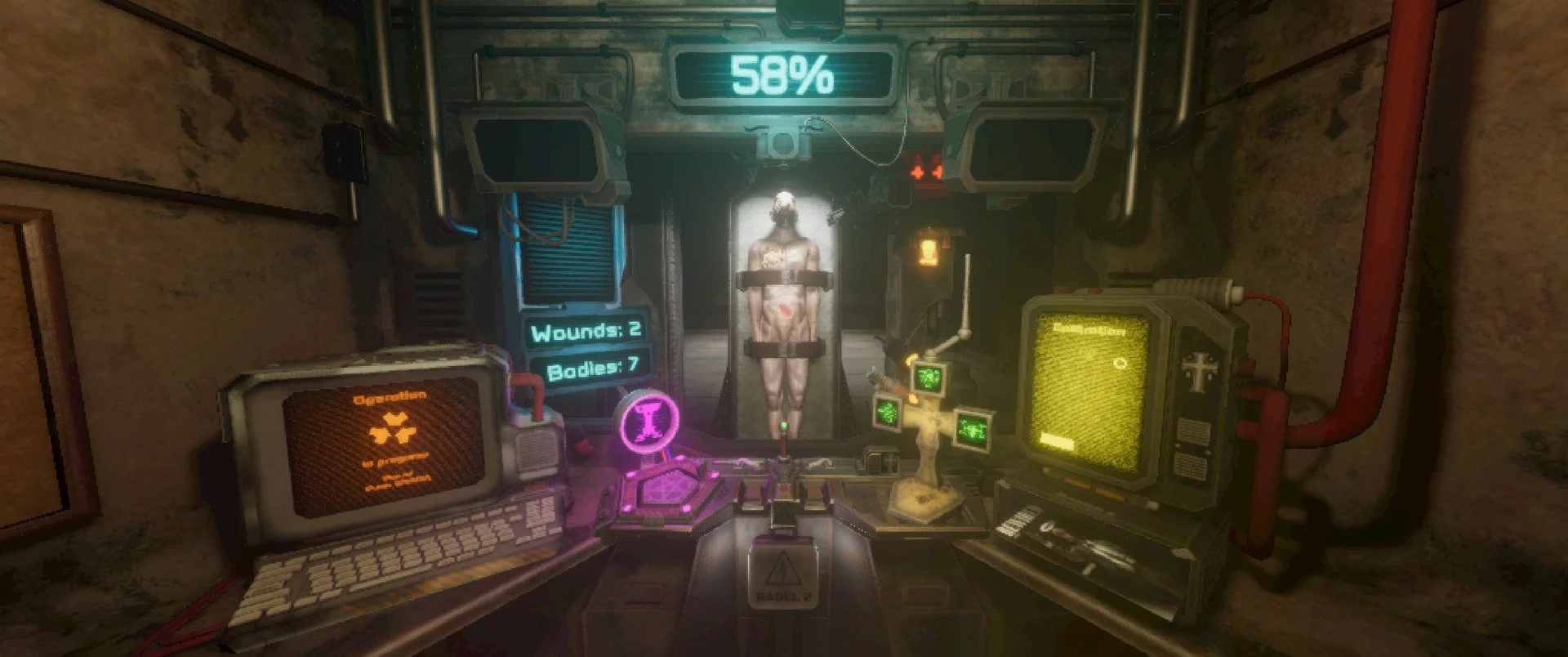
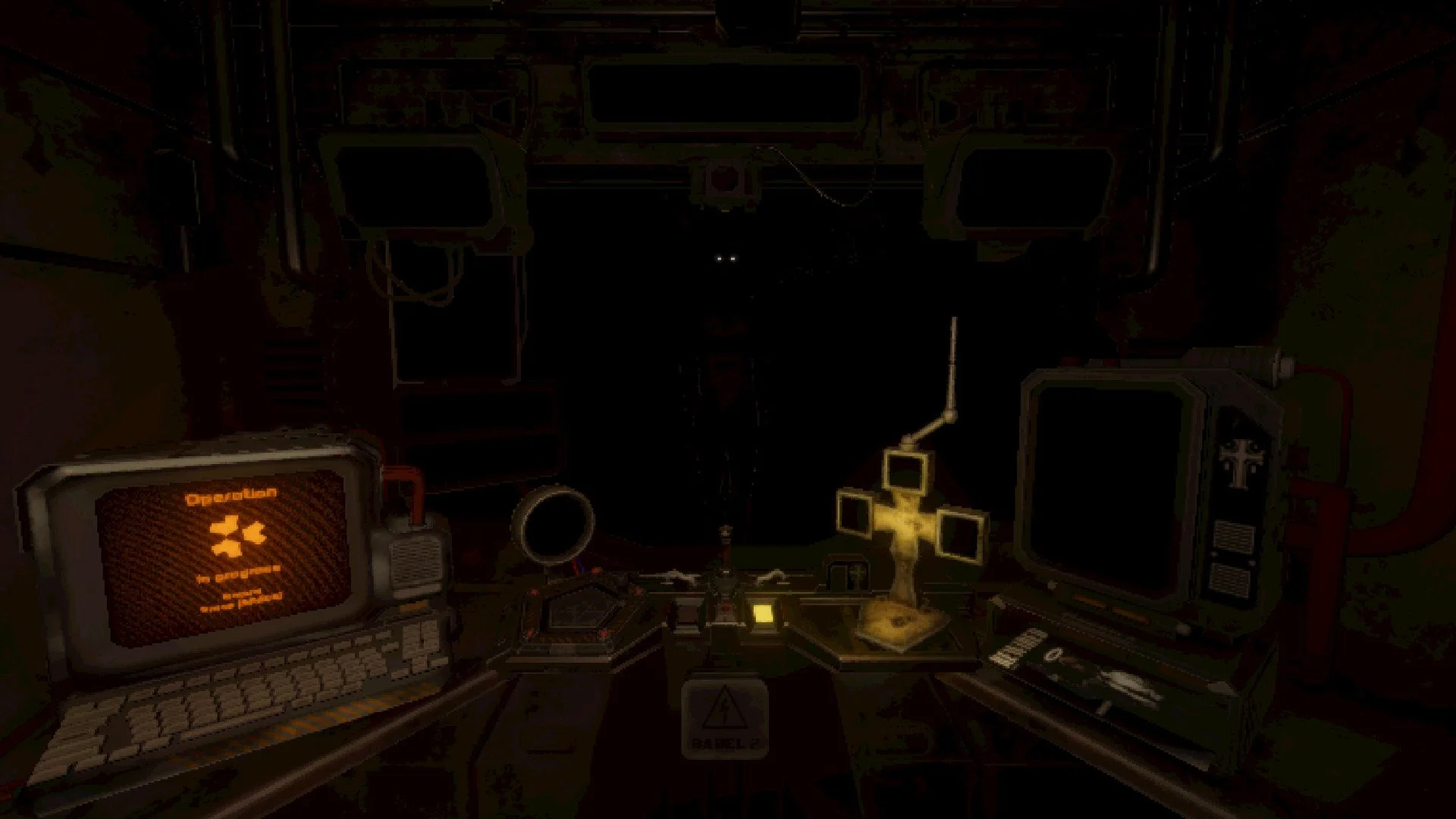
The entirety of the game takes place in this single operating room. In front of you are several levers and contraptions, all built around the sole purpose of removing the imperfections from the test subjects, who can be viewed through a window separating the operation area from the machinery. One look at this room will tell you that you are far from the first scientist to use this machine. The casing of all the mechanisms looks rusted and corroded due to years of use. On the left is an old PC with a UI that resembles a DOS terminal. There you can initiate the operations, read emails, or open your settings menu. Peeking into the emails will reveal previous thoughts and correspondences from former scientists — most of which describe how they felt isolated and guilty, as well as possibly their experience of hallucinations. Through these emails, you are given an idea of the hardships you will endure from the job you’ve inherited.
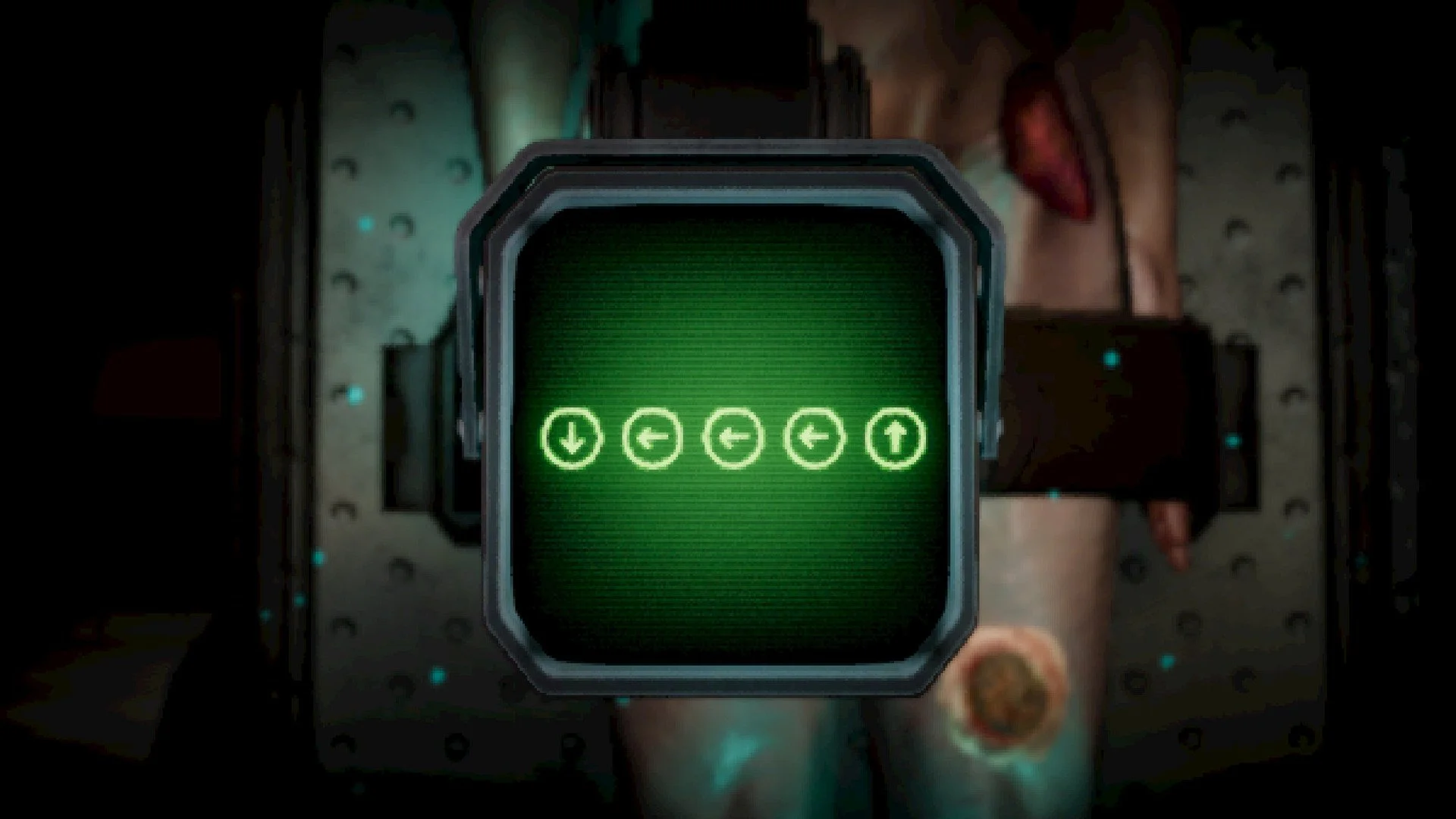
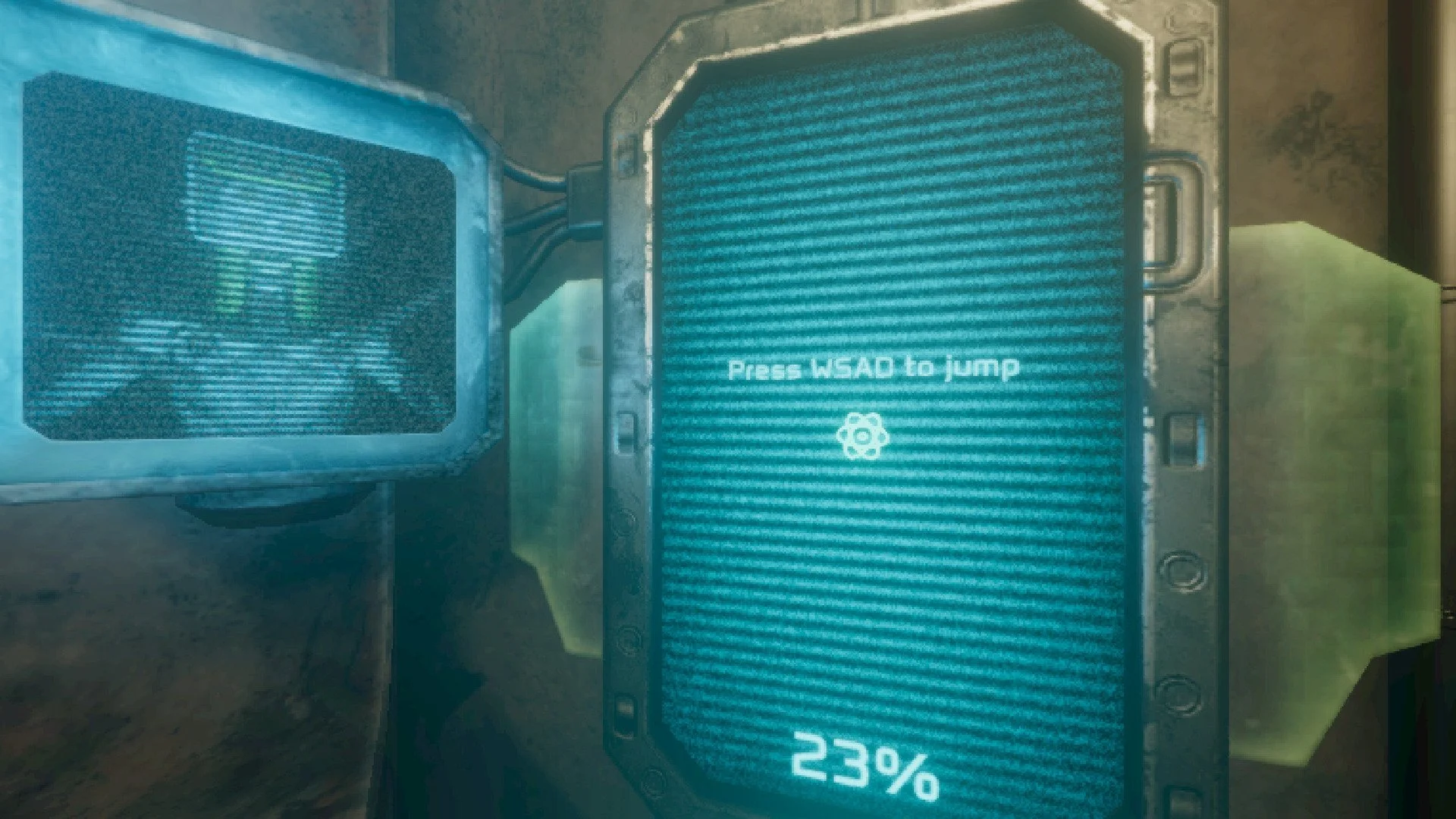
Once an operation has been initiated, a body strapped down onto a metal table shoots out from what looks like a person-sized bowling alley ball return, and is lifted upright to face you so you can see its form in full. You then use a control stick to move the reticle to a wound/deformity site, with the number of wounds remaining displayed on your left. Once the reticle is positioned over a wound, an icon will appear onscreen, symbolizing one of five different operation techniques that needs to be performed. Performing each technique consists of a short minigame, ranging from guiding a cursor through a maze or memorizing an arrow sequence shown to you and pressing the WASD keys in the correct order to replicate the sequence. All of these actions must be performed with a sense of urgency as a sleep meter is continuously counting down from 100 percent. Once the meter reaches zero, the patient will wake up! You can administer additional anaesthesia, but the patient’s tolerance builds, rendering it less effective with every dose. You must also manage the heat produced by this operation, playing a Flappy Bird–like minigame in between patients to exhaust the built-up heat. Upon completing a level, you are rewarded with a new terminal code, which grants you access to a different scientist’s profile, more operations, and occasionally unlocks new mechanics to be performed during surgery.
The aesthetic and tone of the game exemplify the message gathered from the sentiments of past scientists’ emails: you are but a cog in the machine and no one values your life if you cannot produce output. You are treated like an Industrial Revolution–era factory worker, where the assembly line is a form of eugenics consisting of “fixing” the deformities of humans to improve the species (that being said, whether the patients are actually human in the end is never confirmed). If you die, they simply replace you with another bright young scientist whose health — both mental and physical — will deteriorate from this job.
While the game has an interesting premise, I feel conflicted about it due to its origin as a web series made using generative AI. I was initially drawn to Angel Engine after several friends expressed excitement for it, and learned of the use of Midjourney in the web series only after I started playing the game. I do not wish to consume any art or media created by generative AI, so my initial reaction was to stop playing. But then the developers confirmed that they did not use any generative AI in the making of the game.
I was in a dilemma, asking myself, “Is it okay to enjoy something that was inspired by a piece of media created by AI?”
My brain defaulted to, “No, of course not.”
“But real people created this game! Poured hours into its development. Drew art. Developed code. Fleshed out the story of this missing chapter and imagined a narrative!”
I kept going back and forth with myself, not really sure what side of the fence I’d landed on. Even now, I am having trouble reconciling this contradiction between something like generative AI, which feels inherently corrupt and like something that should be avoided, and the art it has inspired.
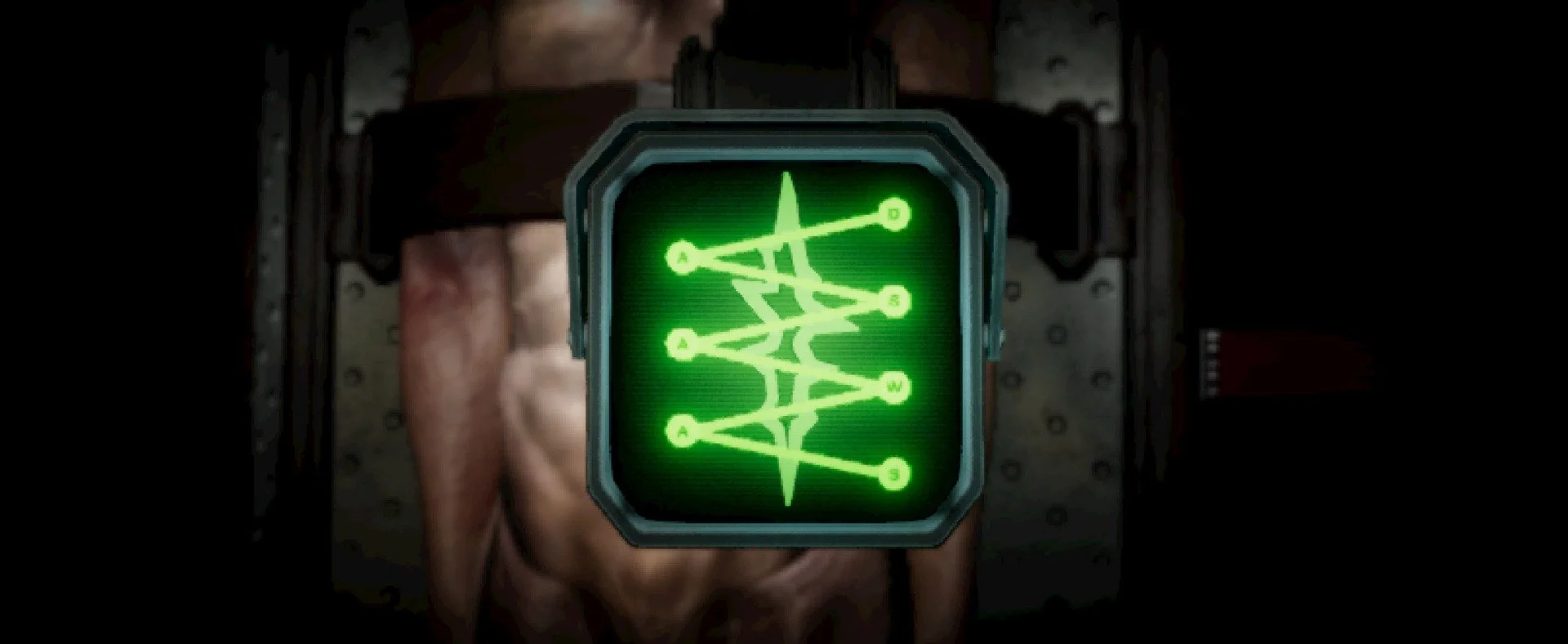
Angel Engine (game) is an original idea that iterates on something else without it feeling like blatant plagiarism. The developers made conscious decisions around the development of this game, creating their own art style, gameplay mechanics, and sound design that work in unison to deliver the resulting experience. An experience that had a lot to say in a short amount of time. I felt the influences from real people behind the game’s messages, and connected with what the game was trying to tell me about the world we currently live in, one that focuses on capitalistic production rather than the individual.
Despite my moral quandary, I genuinely enjoyed what I played of Angel Engine. The design and atmosphere felt cohesive to the themes portrayed throughout the game.
Each second spent in front of the instrument panel ate away at my soul. Being unsure if the patients consented to endure their surgeries made every step of the operations feel dreadful. The squalid workstation made each use of the tool feel unsanitary. The squelching of the tools piercing the skin and the blaring alarm when the patient is about to wake up filled me with anxiety. I could barely input a simple sequence of arrow keys because I was so concerned about hearing those sirens and hitting a fail state. Each set of operations felt like a stress-filled eternity, just trying to rush through each wound on my patients without messing up, but always making a simple mistake and having to restart the minigame. From the moment I started the game, it inspired an unsettling feeling that never went away.
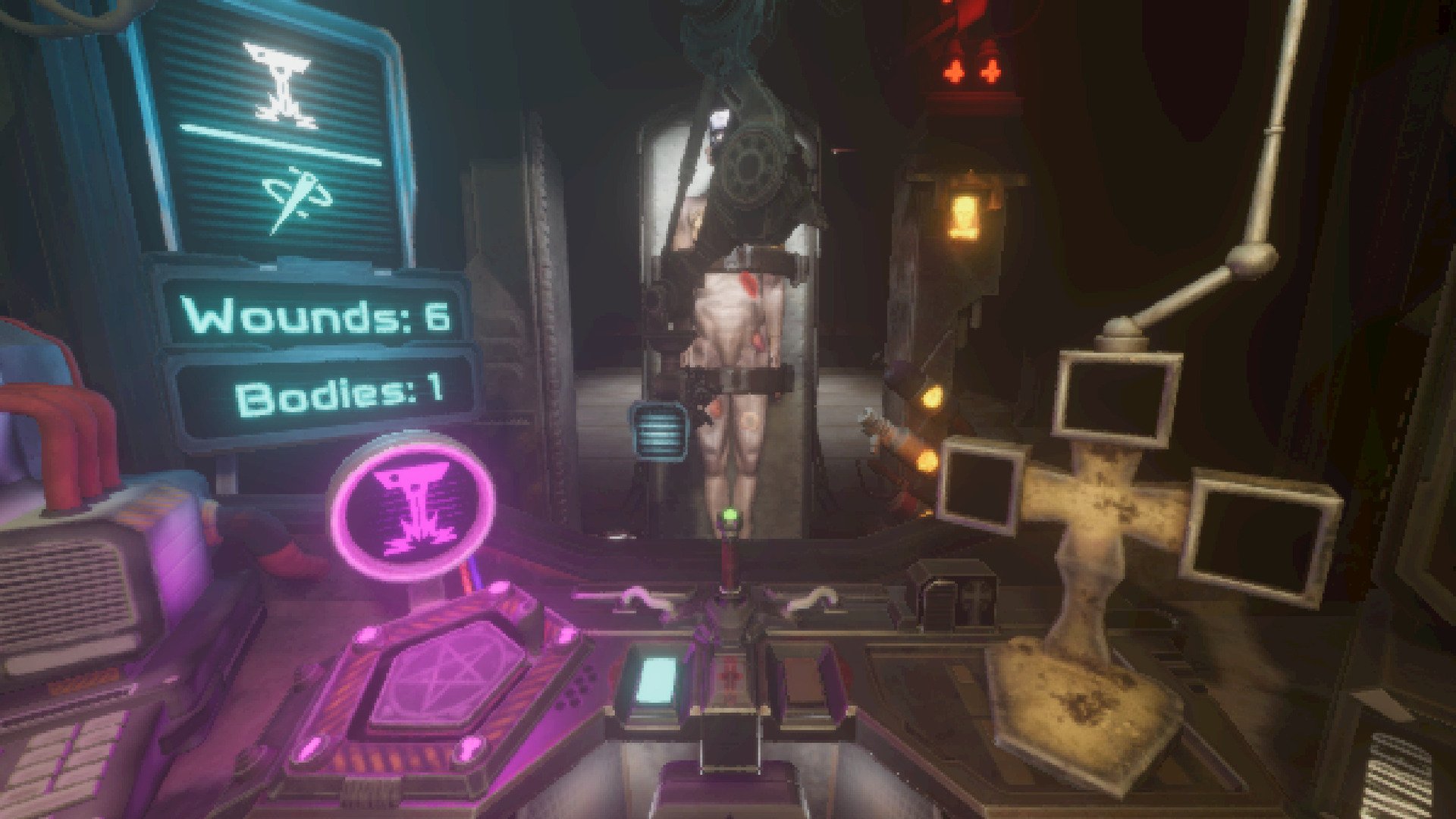
Even though the actions of our main character were all normalized in this world, I could not help but feel like I was doing something evil with each procedure; and by the end, I felt the fate of the character was well deserved. Everything felt icky throughout the whole game, and that was the point. No matter where you are in the corporate ladder, someone is being exploited, and unless you’re some C-suite executive, that someone is probably you.
Angel Engine left me feeling exhausted and anxious. It was challenging to play this game for more than an hour at a time due to its grimy aesthetic, taxing gameplay, and disturbing narrative. But I appreciate that I was able to feel all of that from playing this video game. Sometimes you want to play a game to feel comfortable, cozy, or relax. Sometimes you want to play a game that makes a statement and leaves you feeling something. Angel Engine made me uncomfortable for two hours, and I loved it.